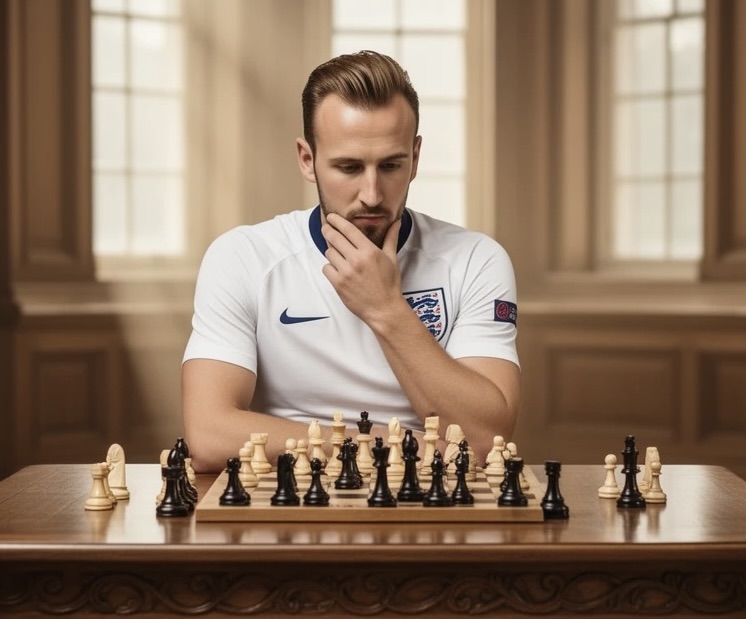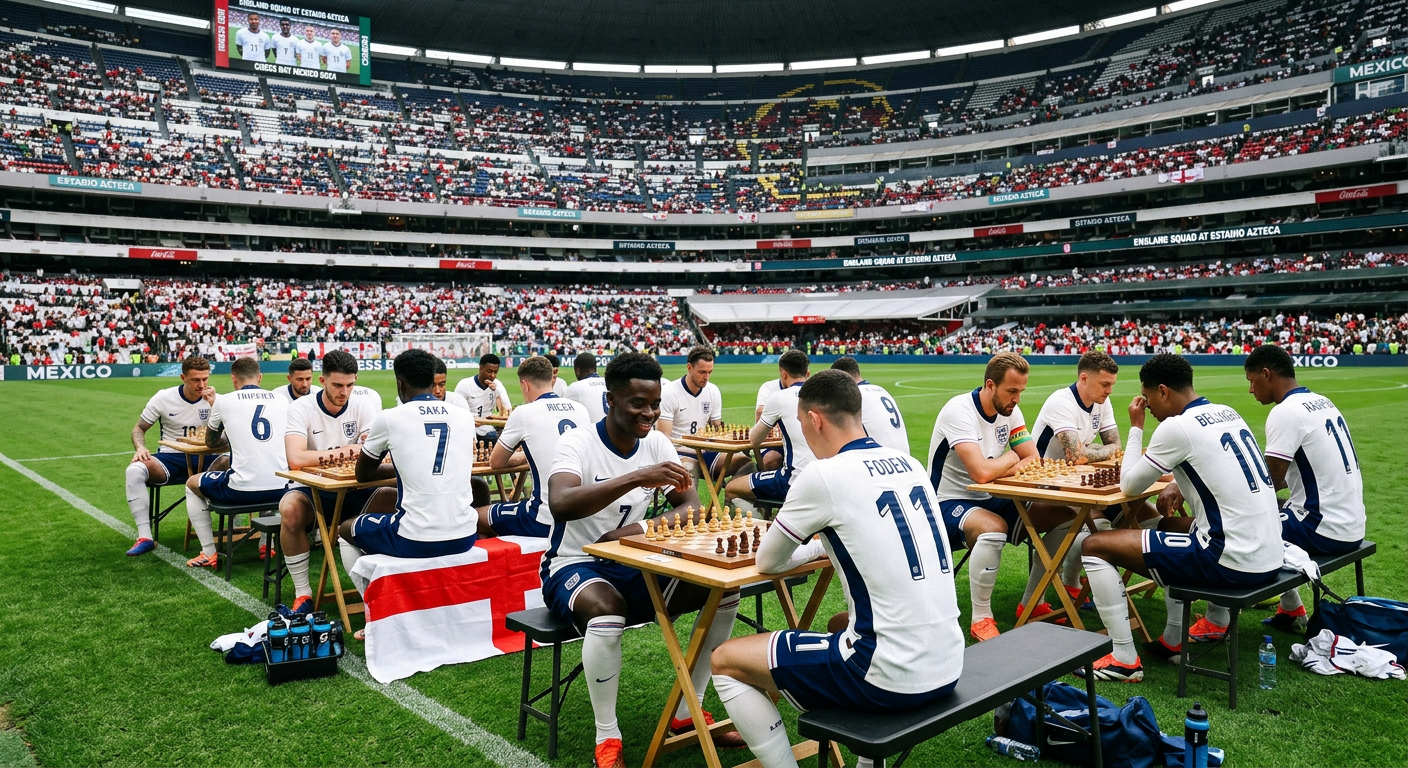
Chess and football share core strategic principles, relying heavily on spatial control, tempo management, and anticipation. Both games require managers and players to think several steps ahead, manipulate the opponent’s defensive structure, and balance aggressive attacks with solid defensive foundations.
Spatial Control
- Center Dominance: Just as controlling the center squares (e4, d4, e5, d5) is paramount in chess, dominating the midfield is critical in football. Teams that control the middle of the pitch dictate the tempo and restrict the opponent’s options.
- Positional Overloads: Both games involve overloading specific zones to create local numerical superiority, whether it’s double-teaming a winger or using multiple pieces to attack a heavily guarded rank.
Initiative and Deception
- Drawing Out the Enemy: In chess, pieces are often moved to entice a rival out of position, creating exploitable gaps in their defense. In football, skilled dribbling or rapid passing is used to compel a defender to step out of their defensive line, opening up space for an attacking run or through-ball.
- Tempo and Pacing: Both disciplines require recognizing when to slow the game down for a careful positional build-up and when to launch rapid, high-tempo vertical strikes.
Risk and Reward
- Gambits and Sacrifices: A chess player might sacrifice a pawn for a positional advantage or a stronger attack. Similarly, a football team might leave themselves defensively exposed (e.g., pushing defenders high up the pitch) to press for an aggressive goal-scoring opportunity.
Chess and football are very similar because both are highly strategic, territorial contests where two teams use formations, space control, and misdirection to outwit each other. Success in both requires deep preparation, anticipating the opponent’s moves, and capitalising on the slightest mistakes.